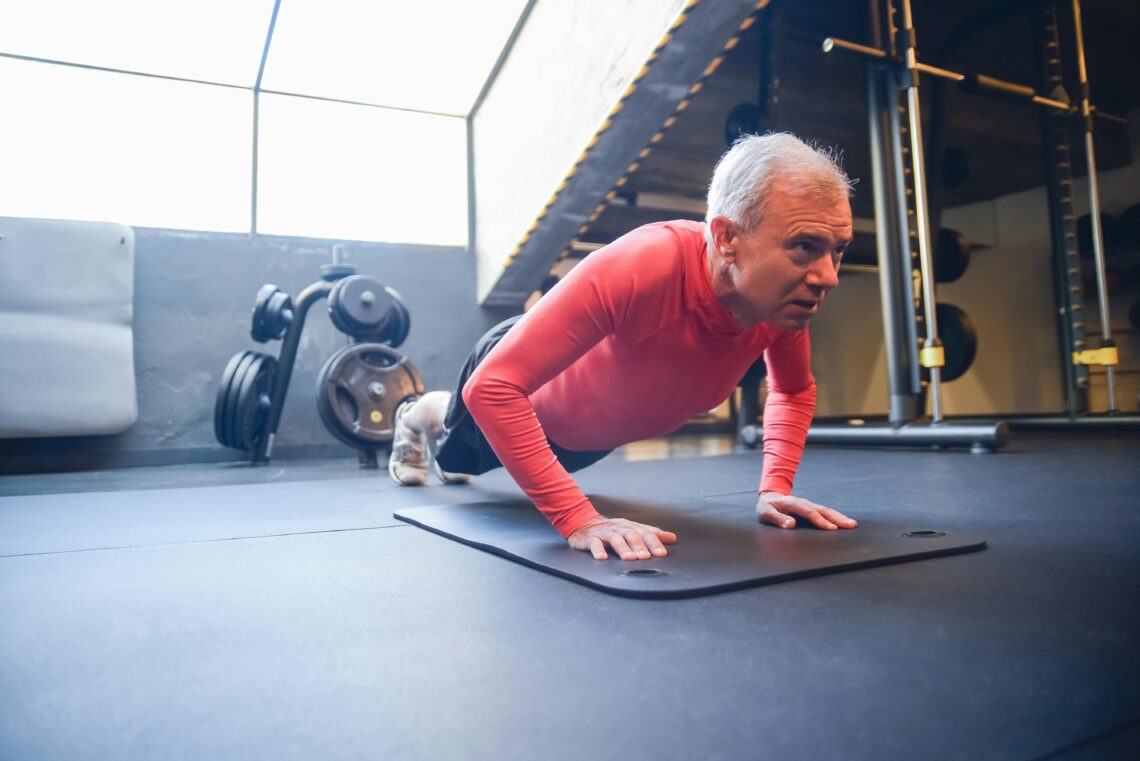
As people get older, it’s common to become less active.
However, staying active is one of the most important things you can do to support your health and maintain independence over time.
Even small amounts of daily movement can make a meaningful difference.
🧠 Why Staying Active Matters
Regular physical activity plays a key role in healthy aging.
People who stay active as they age tend to:
- Live longer
- Maintain better physical and mental health
- Stay independent for longer
- Reduce the risk of falls and injuries
In addition, movement helps slow the natural loss of muscle and strength that happens with age.
⚠️ What Happens When You Stop Moving
As activity levels decrease, the body begins to change.
For example:
- Muscles become weaker
- Balance may decline
- Energy levels may drop
- The risk of chronic conditions increases
Over time, these changes can make everyday tasks more difficult.
🧩 The 4 Types of Movement Your Body Needs
To support overall health, it’s helpful to include different types of movement in your routine.
🚶♂️ 1. Aerobic Activity
Activities like walking, swimming, or dancing help improve heart health.
💪 2. Strength Training
This helps maintain muscle and makes daily tasks easier.
You can use:
- Light weights
- Resistance bands
- Your own body weight
🧘 3. Flexibility
Stretching helps improve mobility and makes movements like bending or reaching easier.
⚖️ 4. Balance Exercises
These are especially important for reducing the risk of falls.
Activities like tai chi or simple balance exercises can help.
🔍 How to Start Safely
If you haven’t been active for a while, it’s important to begin gradually.
Start low and go slow.
For example:
- Begin with 5–10 minutes of walking
- Increase duration over time
- Focus on consistency rather than intensity
If you have existing health conditions, consider speaking with a healthcare provider before starting.
🧠 Making Movement Part of Your Routine
You don’t need a gym or a structured program to stay active.
In fact, simple daily habits can help:
- Take the stairs instead of the elevator
- Walk a little farther when possible
- Take breaks from sitting
- Do light activities like gardening or household tasks
Even short periods of activity throughout the day can add up.
🛡️ Tips for Staying Safe While Active
To reduce the risk of injury:
- Stay hydrated
- Wear comfortable, supportive shoes
- Avoid extreme temperatures
- Pay attention to how your body feels
If you experience symptoms like chest pain, dizziness, or unusual discomfort, stop and seek medical advice.
💬 Final Thoughts
Staying active as you age is not about intense workouts — it’s about consistency.
Small, regular movements can help you stay strong, independent, and healthier over time.
No matter your starting point, it’s never too late to begin.

